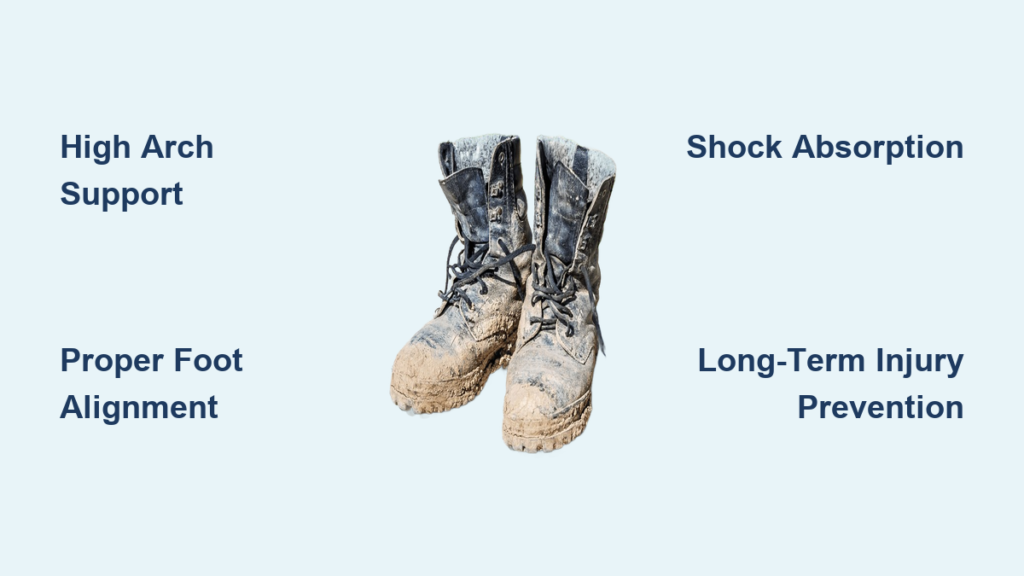
If you’re on your feet for 8 to 12 hours a day—whether standing on concrete floors, climbing ladders, or walking miles across a warehouse—your body endures immense stress with every step. While heavy work boots are designed to protect against falling objects, electrical hazards, and slippery surfaces, one critical feature often gets overlooked: high-quality arch support. Without it, even the toughest boots can contribute to chronic foot pain, fatigue, and long-term musculoskeletal damage.
The arch of the foot isn’t just a curve—it’s a biomechanical marvel designed to absorb shock, stabilize movement, and distribute weight efficiently. When this system fails due to poor support, the consequences extend far beyond sore feet. Collapsing arches strain muscles and ligaments, disrupt gait, and trigger a chain reaction of misalignment that affects your knees, hips, and lower back. For workers in construction, healthcare, warehousing, and logistics, arch support isn’t about comfort—it’s a safety and performance necessity.
Studies show that over 50% of surgical nurses suffer from foot or ankle pain, and foot-related musculoskeletal issues cost the U.S. economy $61.2 billion annually in lost productivity. The solution? Boots with engineered arch support that match your foot type and work environment. This article explains why high-quality arch support is non-negotiable in heavy-duty work boots, how it protects your body, and what to look for when choosing footwear that truly supports you—step after step.
The Arch’s Biomechanical Role in Work Boots

Shock Absorption and Gait Stability
Every time your foot hits the ground, it absorbs forces equal to 2–3 times your body weight. The foot’s arch acts like a spring, flexing to cushion impact and stiffening to push off efficiently. Without proper support, this system breaks down—leading to excessive pronation (inward rolling) or supination (outward rolling). These imbalances distort your gait, increasing stress on joints and soft tissues.
A supported arch maintains alignment from heel to toe, ensuring smooth weight transfer during walking. This reduces strain on the plantar fascia, the thick ligament running along the bottom of your foot. When overstretched due to poor support, microtears develop—often leading to plantar fasciitis, one of the most common causes of heel pain in labor-intensive jobs.
Flat vs High vs Normal Arches: Matching Support to Foot Type
Not all feet are the same—your arch type determines your support needs:
- Normal arches need moderate support with cushioning and stability.
- Flat arches (pes planus) collapse easily, causing overpronation and requiring firm, structured support.
- High arches (pes cavus) have poor natural shock absorption and need extra cushioning under the heel and ball of the foot.
Workers with flat or high arches are especially vulnerable to fatigue and injury in standard boots. Choosing arch support tailored to your foot type ensures optimal performance and long-term protection.
“Flat arches might need a bit more support to prevent overpronation and avoid potential discomfort.” — Article 1
Risks of Poor Arch Support in the Workplace
Immediate Pain and Fatigue
Without quality arch support, your foot muscles work overtime to stabilize each step. This leads to rapid leg and foot fatigue, even after just a few hours. Common symptoms include:
- Aching arches
- Heel pain
- Ball-of-foot discomfort (metatarsalgia)
- Cramping in calves and shins
These issues don’t just hurt—they reduce focus, increase break frequency, and lower productivity. In fast-paced environments like hospitals or warehouses, even minor discomfort can impact efficiency and safety.
Long-Term Body Misalignment
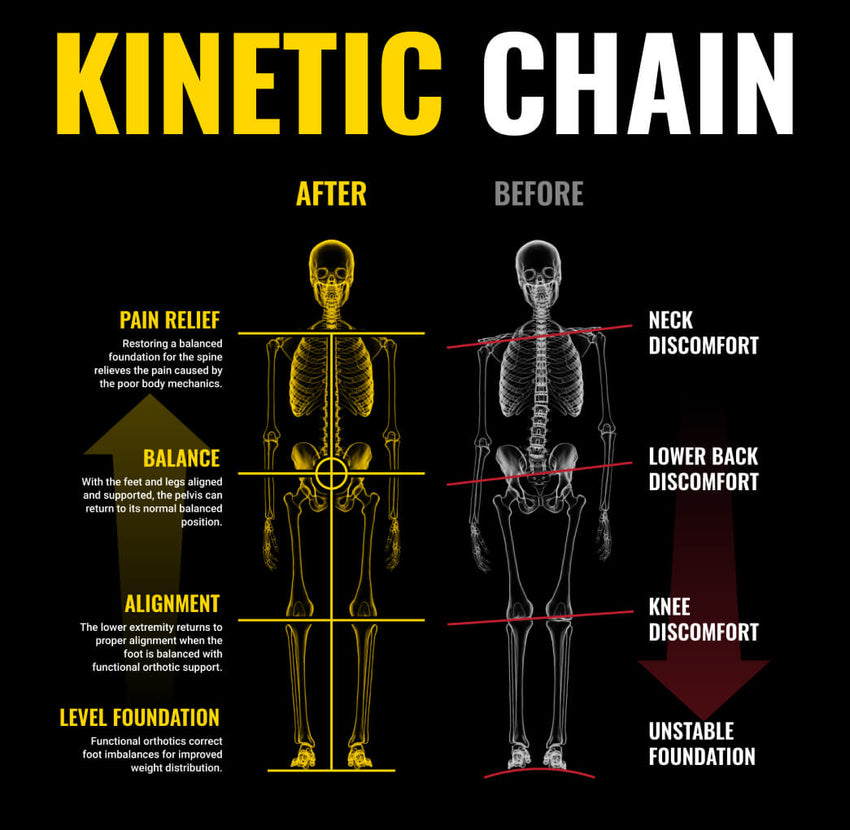
Poor arch support disrupts the kinetic chain, affecting your entire posture:
| Body Area | Impact |
|---|---|
| Ankles | Instability increases sprain risk |
| Knees | Uneven joint loading leads to tendonitis |
| Hips | Altered gait strains muscles and joints |
| Lower Back | Compensatory posture causes chronic pain |
What starts as foot soreness can evolve into diagnosable musculoskeletal disorders. According to research, foot-related pain is a leading contributor to workplace absenteeism and compensation claims.
“What starts as a little soreness can snowball into serious foot problems… knee and hip problems from altered walking patterns, lower back pain from poor posture compensation.” — Article 5
Benefits of Quality Arch Support in Heavy Work Boots
Reduce Pain and Prevent Injury
High-quality arch support directly combats common foot ailments:
- Lowers plantar fascia tension by up to 30%
- Redistributes pressure away from heels and forefeet
- Prevents overpronation and excessive foot motion
Orthotic insoles with contoured arches help maintain proper alignment, reducing the risk of microtrauma and inflammation.
“Arch support insoles or inserts can redistribute pressure and improve shock absorption, reducing arch pain, ankle pain, painful heels…” — Article 1
Improve Balance and Stability
On slippery or uneven terrain, stability is crucial. Quality arch support enhances balance through:
- Rigid shanks that prevent midfoot bending
- Thermoplastic heel counters that lock the heel in place
- Deep heel cups that reduce internal foot movement
These features ensure your foot moves as a single unit, improving control during ladder climbing, lifting, or walking on scaffolding.
“A rigid shank and structured forefoot section prevent unwanted bending and twisting. This maintains proper foot alignment and reduces internal movement…” — Article 6
Enhance Posture and Alignment
Your feet are the foundation of your posture. Proper arch support promotes:
- Neutral spinal alignment
- Reduced strain on glutes, hamstrings, and lower back
- Better weight distribution during lifting and carrying
This is especially important for workers who regularly handle heavy loads or work at heights.
“Supporting your arches properly can improve your entire body’s alignment during work activities.” — Article 2
Boost Endurance and Focus
Workers report up to 50% less foot fatigue when wearing boots with quality arch support. This translates to:
- Sustained energy across long shifts
- Fewer breaks due to discomfort
- Sharper mental focus from reduced physical strain
“Less foot tiredness means your legs and feet will feel more energised throughout your shift.” — Article 2
Key Features of Effective Arch Support
Built-In vs Removable Insoles
| Type | Pros | Best For |
|---|---|---|
| Built-in | Always present, durable, no shifting | General use, moderate arch needs |
| Removable | Customizable, allows orthotics | Flat feet, plantar fasciitis, high arches |
Removable insoles let you upgrade to medical-grade orthotics if needed.
“Removable insoles offer your flexible option, letting you swap in custom orthotics or specialized cushioning…” — Article 5
Core Support Components
Look for these engineering features:
- Contoured orthotic insole: Matches natural arch shape
- Rigid shank: Ensures stable heel-to-toe transition
- Thermoplastic heel counter (2 mm): Prevents slippage and overpronation
- Shock-absorbing midsole (EVA or PU): Cushions impact on concrete
- Deep heel cup: Stabilizes the rearfoot and prevents blisters
“The Ergonomic Elements work boot integrates multiple engineered features to promote natural foot function and reduce strain.” — Article 6
High-Risk Professions That Need Superior Arch Support
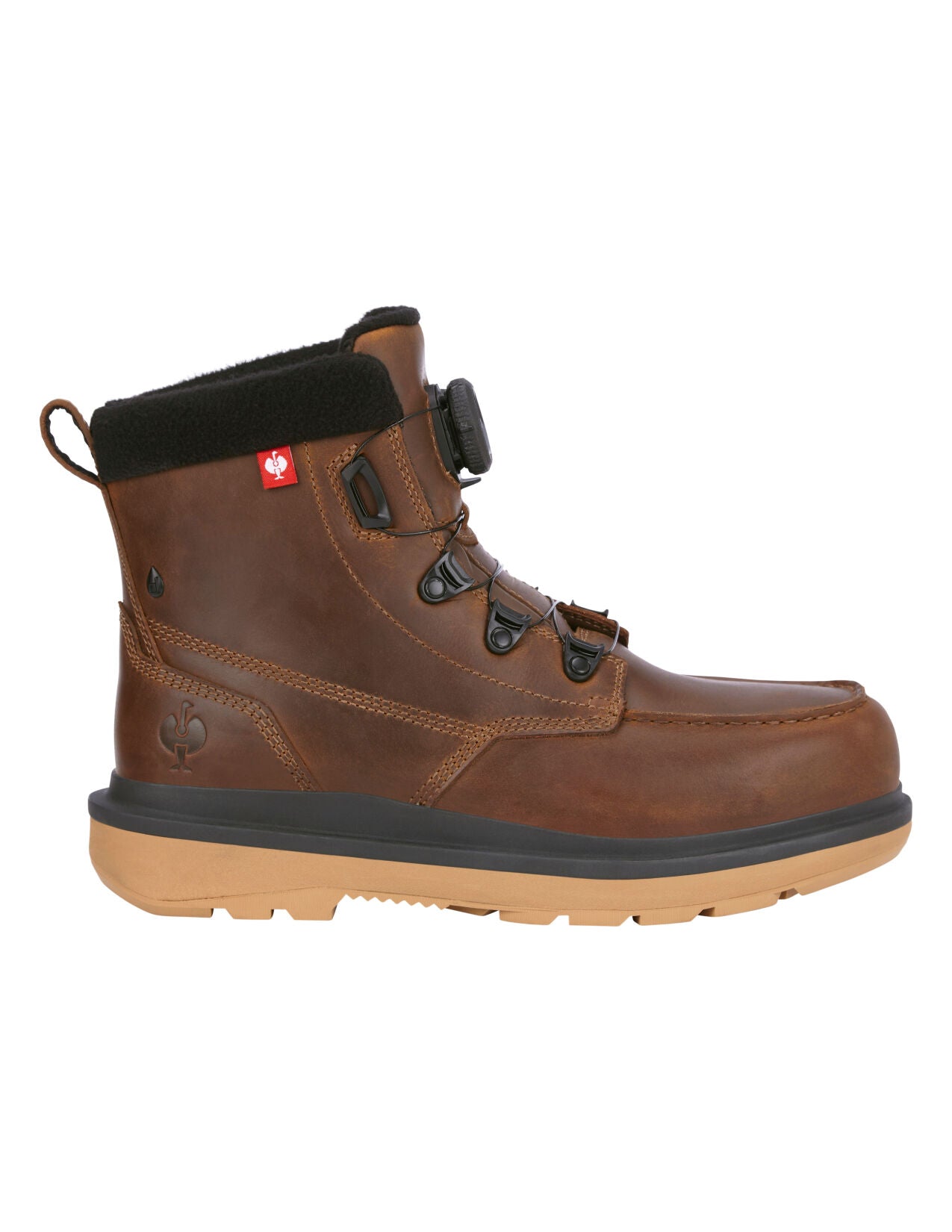
Healthcare Workers
- Stand 8–12 hours/day on hard floors
- Over 50% of nurses report foot pain
- Need slip-resistant soles, easy-clean uppers, and deep heel cups
Construction and Trades
- Work on concrete, steel, and uneven ground
- Carry heavy tools and climb ladders
- Require steel toes, puncture-resistant soles, and elevated heels
- Popular among wildland firefighters and loggers for high arch lift
“High arch work boots have long been the darlings of particular trades such as wildland firefighters, loggers…” — Article 3
Warehouse and Manufacturing
- Walk miles per shift on unforgiving floors
- Benefit from electrical hazard protection, anti-static properties, and extra cushioning
“Warehouse workers… benefit from electrical hazard protection and extra cushioning for concrete floors.” — Article 2
Upgrade with Heavy-Duty Orthotics
Why Factory Insoles Fail
Most work boots come with basic EVA or foam insoles that:
- Flatten within weeks
- Offer minimal arch structure
- Lack biomechanical design
They compress under heavy loads, leaving your feet unsupported.
“That’s where heavy-duty orthotics come in. Unlike the basic insoles that offer minimal cushioning, heavy-duty orthotics are engineered to provide serious, structured support.” — Article 7
Top Orthotic Brands
- Aetrex: Gold standard; uses foot scan data; durable for industrial use
- Superfeet: Stiff, ideal for overpronators
- Form Insoles: Heat-moldable for custom fit
- Custom orthotics: Podiatrist-prescribed; highest personalization
“Aetrex is the top choice… crafted from premium, durable materials designed to withstand long hours on hard surfaces.” — Article 7
Debunking Arch Support Myths
| Myth | Truth |
|---|---|
| “Arch support weakens foot muscles” | False—orthotics guide proper motion, reduce strain, and improve efficiency |
| “Everyone needs custom orthotics” | No—high-quality OTC options (like Aetrex) work for most people |
| “More support is always better” | Incorrect—excessive arch height causes discomfort; match to foot type |
| “Orthotics are too expensive” | Misleading—long-term savings in health and productivity outweigh cost |
“Orthotics don’t act as a crutch. Instead, they function like a guide, helping your foot move in a more ideal and efficient way.” — Article 7
Maintain and Replace Support
When to Replace
- Heavy-duty orthotics: Every 1–2 years
- Factory insoles: Every 3–6 months
- Signs of failure: Flattened arch, collapsed heel cup, recurring foot pain
“Replace your boots when the arch support feels flat or the outsole shows significant wear.” — Article 2
Employer Responsibilities
Investing in quality arch support delivers measurable returns:
- Reduced absenteeism from foot and back pain
- Lower workers’ compensation claims
- Improved morale, retention, and productivity
Employers should offer footwear subsidies, on-site screenings, and flexible footwear policies to support worker health.
Final Note: High-quality arch support is not optional—it’s essential. It prevents pain, enhances stability, and protects your body from long-term damage. Whether built into your boot or added via orthotics, the right support reduces fatigue, improves posture, and boosts performance. Workers in high-demand jobs must treat arch support with the same seriousness as steel toes or slip resistance. And employers who support foot health don’t just protect their teams—they build safer, more productive workplaces. Your feet carry you through every shift—make sure they’re properly supported.