










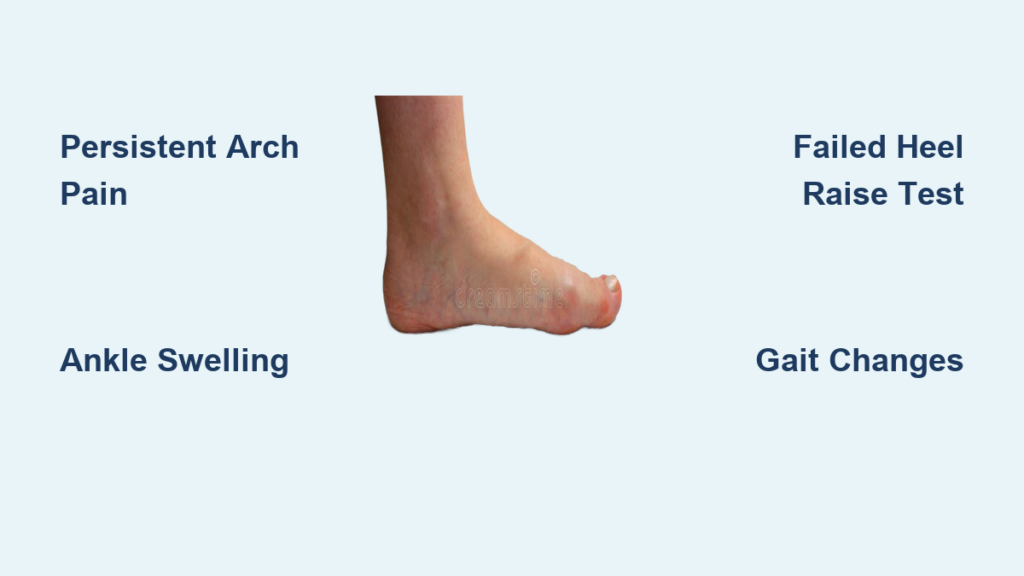
If you’ve always had flat feet and never experienced discomfort, you may assume they’re just a quirk of your anatomy. But when flat feet begin causing pain, fatigue, or noticeable changes in how you walk, it’s time to pay attention. While up to 40% of people live with flat feet without issues, a growing number develop complications that go beyond foot discomfort—leading to joint damage, chronic pain, and long-term mobility problems. The arch of your foot isn’t just cosmetic; it’s a critical shock absorber and stabilizer. When it collapses or weakens progressively, the effects ripple through your entire body. Ignoring the warning signs can result in irreversible damage like tendon rupture, arthritis, or even surgery. This guide breaks down the key indicators that your flat feet are becoming a serious health concern, so you can take action before the damage worsens. From persistent pain to gait changes and secondary joint issues, you’ll learn what to watch for and when it’s time to see a specialist.
Persistent Foot or Arch Pain
Pain That Worsens With Activity
Ongoing pain in your foot—especially in the arch, heel, or inner ankle—is often the first red flag. Unlike temporary soreness after a long day, persistent discomfort that flares up during or after walking, standing, or exercise suggests structural strain. Without a proper arch, your foot loses its natural ability to absorb impact, placing excessive stress on tendons, ligaments, and joints.
Common pain locations include:
– Medial arch: Aching or sharp pain along the inside of the foot.
– Heel: Often linked to plantar fasciitis due to overstretching of the plantar fascia.
– Inner ankle: A major warning sign of posterior tibial tendon dysfunction (PTTD), a leading cause of adult-acquired flatfoot.
Pro Tip: If your pain improves with rest but returns every time you’re on your feet, it’s a mechanical problem—and likely getting worse without treatment.
Morning Foot Stiffness
Sharp pain with your first steps in the morning is a classic sign of inflammation or microtearing in overworked tissues. This stiffness often points to plantar fasciitis or tendonitis, both common in people with flat feet. Overnight, the foot tightens, and the first weight-bearing moments stretch already damaged structures.
Warning signs:
– Intense heel or arch pain upon waking
– Symptoms ease after 15–30 minutes of movement
– Pain returns later in the day, especially after prolonged standing
Swelling Along the Inner Ankle
Visible or Tender Ankle Inflammation
Swelling behind the inner ankle bone (medial malleolus) is a major red flag. This area houses the posterior tibial tendon, which is essential for arch support. When this tendon becomes inflamed—known as posterior tibial tendonitis—swelling is often the first visible sign.
What to look for:
– Puffiness along the inside of the ankle
– Warmth or redness to the touch
– Pain when pressing on the tendon
Expert Insight: Persistent medial ankle swelling is a clinical warning sign of early-stage posterior tibial tendon dysfunction (PTTD). Left untreated, this can lead to permanent arch collapse.
Progression to Chronic Tendon Damage
If swelling becomes chronic, the tendon may shift from inflammation to tendonosis—a degenerative condition involving microtears and tissue breakdown. At this stage:
– Swelling may lessen, but pain persists
– The foot begins to flatten visibly
– Walking becomes increasingly difficult
Early treatment—like orthotics, bracing, or physical therapy—can halt progression and prevent surgery.
Difficulty Standing on Tiptoes
Failed Single-Leg Heel Raise Test
One of the most telling signs of serious flatfoot is the single-leg heel rise test. If you can’t rise onto your toes on one foot—or do so with pain or instability—it suggests posterior tibial tendon weakness or failure.
How to test:
1. Stand barefoot near a wall for balance.
2. Lift one foot off the ground.
3. Try to rise onto the ball of the remaining foot, lifting the heel as high as possible.
4. Repeat 10 times.
Clinical Benchmark: Inability to complete 10 repetitions is a diagnostic criterion for PTTD.
What a Failed Test Means
- The tibialis posterior muscle, crucial for arch support, is too weak or damaged.
- The arch may visibly collapse during the attempt.
- Pain in the inner ankle or arch often accompanies the test.
Note: This test is routinely used by podiatrists to assess tendon integrity and determine treatment urgency.
Overpronation and Gait Changes

Excessive Inward Foot Rolling
Overpronation—when your foot rolls too far inward during walking or running—is a hallmark of flat feet. While mild pronation is normal, excessive motion disrupts your entire biomechanics. Signs include:
– Feet pointing outward when standing
– Ankles tilting inward
– Uneven wear on the inner edge of your shoes
This altered gait increases stress on soft tissues and joints, leading to long-term damage.
Gait Analysis Clues
During a professional gait assessment, clinicians look for:
– Medial midfoot collapse (the arch flattens with each step)
– Delayed push-off from the toes
– Excessive subtalar joint motion
Visual Cue: Wet your feet and step on a dry surface. If you see a complete or nearly full footprint, overpronation is likely.
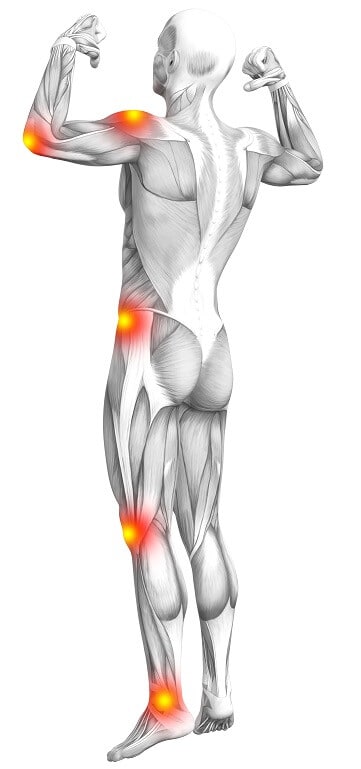
Knee, Hip, and Back Pain
Knee Pain From Internal Rotation
Flat feet can trigger knee pain by altering leg alignment. As the foot overpronates, the shin (tibia) rotates inward, forcing the knee to follow. This increases pressure on the medial (inner) compartment of the knee, raising the risk of:
– Cartilage wear
– Meniscus strain
– Early-onset knee osteoarthritis
Biomechanical Fact: Studies show flatfoot-related overpronation can increase medial knee load by up to 30%.
Hip and Pelvic Misalignment
The body compensates for foot instability by adjusting posture. Over time, this leads to:
– Pelvic tilt
– Hip joint strain
– Gluteal muscle imbalances
Symptoms include deep hip aches, especially after walking or climbing stairs.
Lower Back Pain From Poor Posture
As the kinetic chain misaligns, the spine adapts. This can cause:
– Increased lumbar curvature (lordosis)
– Muscle spasms in the lower back
– Disc pressure and nerve irritation
Patient Pattern: Many with chronic lower back pain discover their root issue lies in foot mechanics, not spinal problems.
Secondary Foot Conditions

Plantar Fasciitis
Flat feet stretch the plantar fascia, a thick band from heel to toes. Over time, this leads to microtears and inflammation.
Symptoms:
– Sharp heel pain with first steps
– Stiffness that eases slightly with movement
– Worsening pain after standing or walking
Connection: Up to 70% of people with plantar fasciitis have flat feet or overpronation.
Achilles Tendonitis
The Achilles tendon works harder to stabilize a flat foot, leading to overuse.
Signs:
– Pain and stiffness at the back of the heel
– Swelling or thickening of the tendon
– Pain that worsens with activity
Left untreated, it can progress to Achilles tendonosis, a degenerative condition resistant to standard treatment.
Shin Splints and Stress Fractures
Overpronation increases strain on the tibialis posterior muscle, leading to medial tibial stress syndrome (shin splints). In active individuals, this can escalate to stress fractures in bones like the navicular or metatarsals.
Risk factors:
– Sudden increase in activity
– Hard surfaces
– Poor footwear
Bunions and Hammertoes
Flat feet alter weight distribution, forcing the big toe joint out of alignment—leading to bunions (hallux valgus). Muscle imbalances can also cause hammertoes, where smaller toes curl abnormally.
Visible signs:
– Bony bump at the base of the big toe
– Corns or calluses from shoe friction
– Pain when wearing standard shoes
Progressive Arch Collapse

Adult-Acquired Flatfoot Deformity
Unlike flexible flat feet in children, progressive arch flattening in adults is serious. Most cases stem from posterior tibial tendon dysfunction (PTTD), which develops in stages:
Stage 1: Tendon Inflammation
- Pain and swelling behind the inner ankle
- Arch still present but tender
- Full strength on single-leg heel rise
Stage 2: Tendon Elongation
- Arch begins to collapse
- Heel tilts outward (heel valgus)
- Inability to perform single-leg heel rise
- Foot still flexible
Stage 3: Rigid Deformity
- Subtalar joint becomes stiff
- Fixed flatfoot position
- Arthritis begins to develop
Stage 4: Ankle Joint Involvement
- Deformity extends to the ankle
- Severe arthritis
- Often requires fusion surgery
Diagnostic Tools: X-rays show joint alignment; MRI or ultrasound assess tendon integrity.
Functional Limitations
Reduced Mobility and Activity Avoidance
When flat feet start limiting your lifestyle, it’s a clear sign of severity. You may:
– Avoid walking long distances
– Skip workouts or sports
– Struggle with standing jobs
– Feel your feet “give out” during activity
Red Flag: If you’re changing your routine due to foot pain, intervention is overdue.
Decline in Quality of Life
Chronic foot issues affect more than mobility—they impact sleep, mood, and independence. People with advanced flatfoot often report:
– Difficulty finding comfortable shoes
– Social withdrawal due to pain
– Fear of falling or instability
Clinical Insight: The inability to perform daily tasks is a key benchmark for considering advanced treatments, including surgery.
When to See a Doctor
Seek evaluation if you notice:
– Persistent foot or ankle pain
– Swelling that doesn’t improve with rest
– Difficulty standing on tiptoes
– Visible changes in foot shape (e.g., arch collapse, heel tilting)
– Development of bunions, plantar fasciitis, or knee pain
For Children: Painful flat feet are not normal. While flexible flatfoot is common in kids, pain warrants assessment.
Recommended Specialists:
– Podiatrist: For conservative care and orthotics
– Orthopedic Surgeon: For advanced imaging or surgical options
– PM&R Physician: For non-surgical rehabilitation
Final Note: Flat feet aren’t automatically dangerous—but when pain, swelling, gait changes, or secondary joint issues appear, it’s time to act. Recognizing the signs early can prevent long-term damage and keep you mobile. Don’t dismiss foot pain as “just part of aging.” With proper care—from custom orthotics to targeted therapy—most people can manage flat feet effectively and avoid serious complications. If symptoms persist, see a podiatrist. Your feet support everything you do—protect them before the damage becomes irreversible.