



If you’ve ever finished a long hike with throbbing feet, aching knees, or nagging back pain, the root of the problem might not be your fitness level—it could be your arch support. On uneven terrain like rocky switchbacks, muddy slopes, or root-strewn forest trails, your feet endure unpredictable forces that demand more than just cushioning. Arch support is essential for hiking because it stabilizes your foundation, improves energy efficiency, and prevents a chain reaction of injuries caused by poor foot alignment. Without it, every step becomes less efficient and more damaging to your body. This guide dives into the science, biomechanics, and real-world benefits of proper arch support—so you can hike farther, feel better, and protect your body mile after mile.
How the Foot Arch Works Under Hiking Stress
:background_color(FFFFFF):format(jpeg)/images/article/arches-of-the-foot/wy0ktRlh2ZR5AWdb9SW8vA_Rx9gCzmFLtuH44VNIcqhhQ_Longitudinal_arch_of_the_foot_2.png)
Acts as a Natural Shock Absorber
The medial longitudinal arch—the curved inner edge of your foot—isn’t just a static structure; it’s a dynamic shock absorber. Supported by the plantar fascia and powered by small intrinsic foot muscles, it flexes slightly upon impact to cushion your joints from ground reaction forces. On uneven trails, where each step lands at odd angles, this function is amplified. A supported arch spreads force evenly from heel to toe, preventing pressure spikes that lead to pain and fatigue. Without proper support, the arch collapses under load, turning your foot into a flat, inefficient platform that transfers shock straight up your legs.
Maintains Foot Structure During Heavy Loads
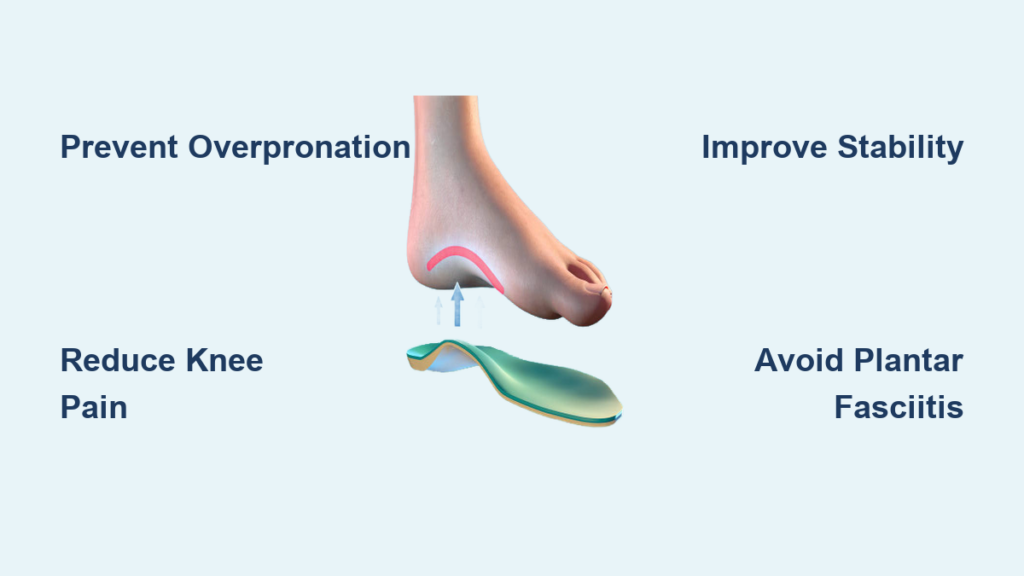
When you’re carrying a backpack or descending steep terrain, the force on your feet can exceed three times your body weight. A strong, supported arch resists collapse, preserving the foot’s natural shape and stability. Think of it like a bridge: without support, it sags and weakens. When your arch flattens (a condition called overpronation), your gait becomes inefficient, tendons stretch abnormally, and joints absorb excessive strain. Arch support prevents this collapse, keeping your foot aligned and strong under pressure.
Why Uneven Trails Demand Better Arch Support
Prevents Torsional Strain on Asymmetric Ground
On rocky or sloped trails, one foot often lands higher than the other, twisting the ankle and foot. This torsional stress increases the risk of sprains and instability. Arch support stabilizes the midfoot, reducing rotational strain and helping maintain balance on shifting surfaces like loose scree or wet logs. It keeps your foot locked in a neutral position, even when the ground isn’t.
Reduces Overpronation on Unstable Surfaces
Sloped or uneven terrain encourages the foot to roll inward excessively—especially in hikers with flat feet. This overpronation misaligns the entire lower limb, pulling the knee and hip out of position. Firm arch support limits this motion, keeping your foot in a neutral alignment and reducing injury risk, even on side-hill trails or muddy paths.
Handles High Impact During Downhill Hiking
Descending generates intense ground reaction forces—up to three times your body weight per step. Without arch support, your legs absorb this shock inefficiently. A supported arch acts like a spring, storing and releasing energy with each step. This elastic return reduces the workload on your quads and knees, making descents safer and less fatiguing.
Boosts Endurance by Reducing Physical Strain

Lowers Oxygen Consumption on the Trail
A study of hikers with flat feet found that arch support insoles reduced peak oxygen uptake (VO₂) by up to 35% during uphill and downhill walking. With support:
– Uphill VO₂: 20.7 mL/min/kg
– Downhill VO₂: 10.9 mL/min/kg
Without support:
– Uphill VO₂: 31.6 mL/min/kg
– Downhill VO₂: 16.9 mL/min/kg
Lower VO₂ means your body uses less energy to move the same distance—more endurance, less fatigue. That’s the difference between powering through a summit push and needing to stop every 20 minutes.
Slows Muscle Fatigue, Especially on Descents
Electromyography (EMG) data showed the rectus femoris (a key quad muscle) fatigued significantly slower during downhill hiking with arch support. The median frequency (MDF) slope was 0.03 Hz/min with support vs. −6.56 Hz/min without—proof that arch support reduces muscular strain, especially during eccentric loading.
Pro Tip: Downhill hiking is harder on your legs than climbing. Arch support helps you descend without wrecking your quads.
Prevents Common Hiking Injuries from the Ground Up
Stops Plantar Fasciitis Before It Starts
The plantar fascia bears high tension when the arch collapses. Arch support spreads this load, reducing strain at the heel. Hikers who use supportive insoles report fewer early-morning heel pains—the classic sign of plantar fasciitis.
Reduces Shin Splints and Knee Pain
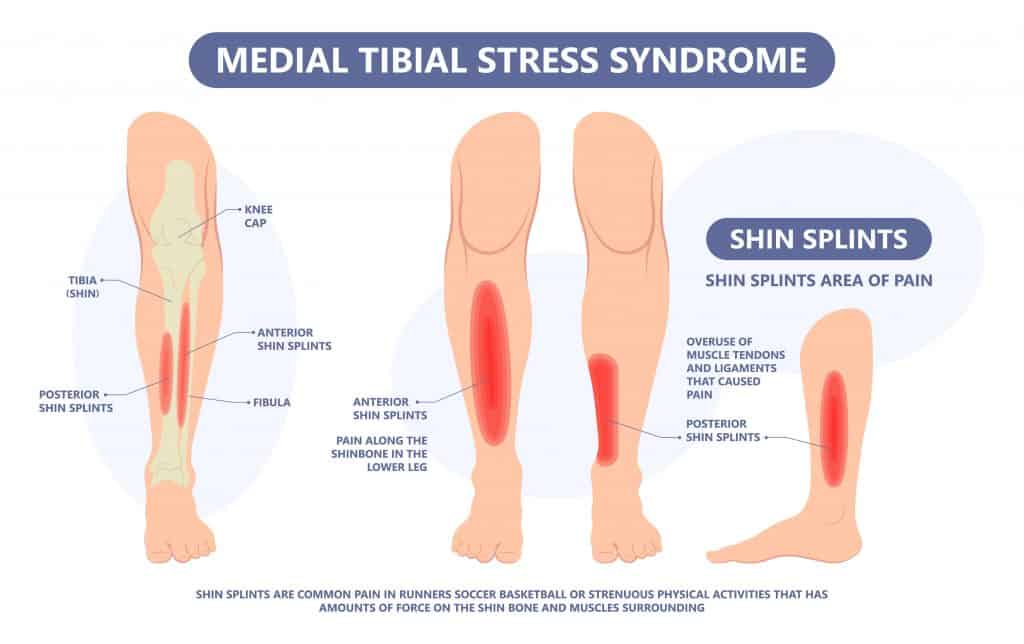
Overpronation forces the tibialis muscles to overwork, leading to shin splints. It also pulls the kneecap out of alignment, causing patellofemoral pain. Arch support stabilizes the foot, minimizing these compensatory movements and protecting your knees.
Guards Against IT Band and Achilles Issues
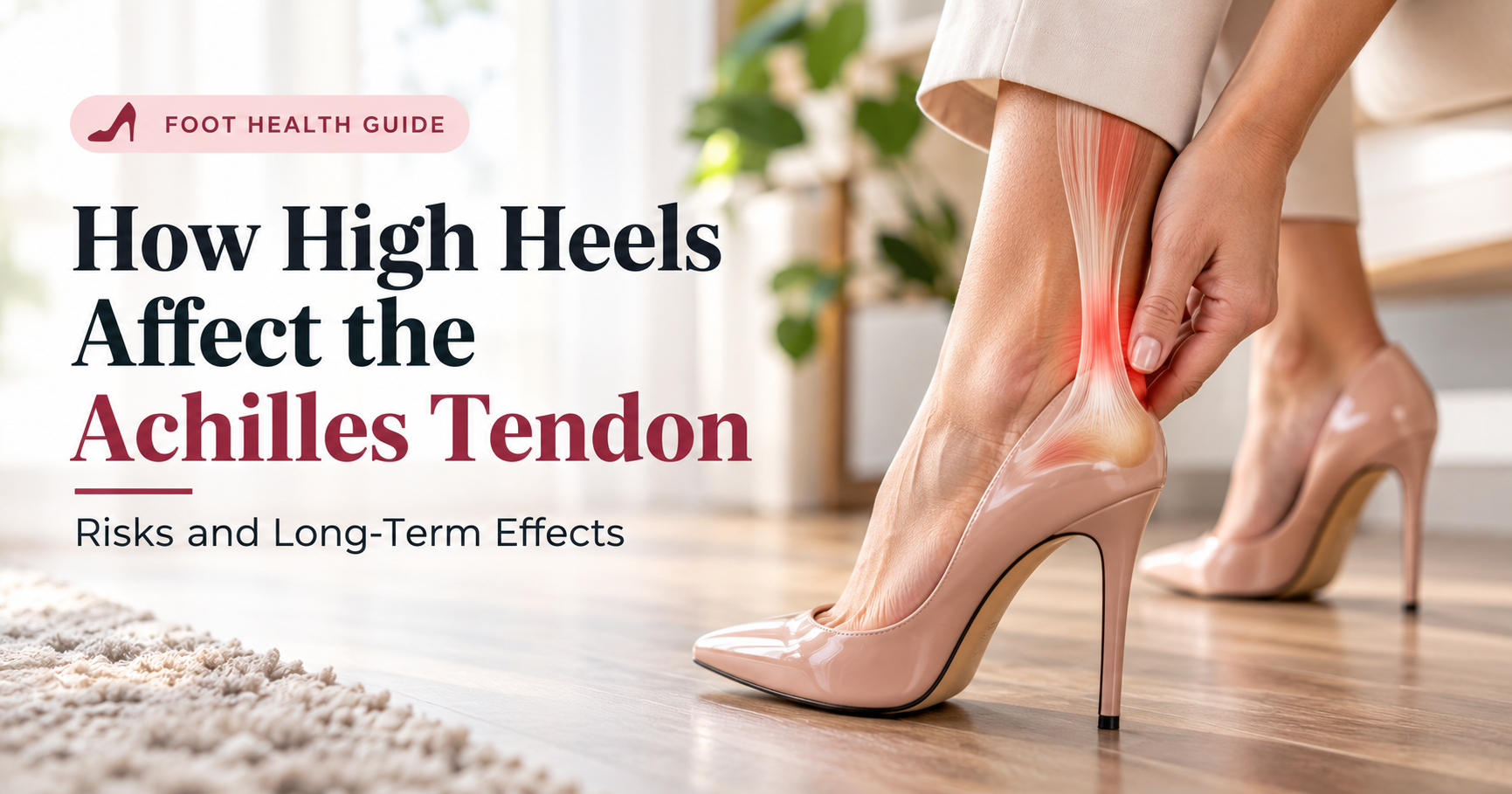
Excessive foot roll causes the femur to rotate inward, tightening the iliotibial (IT) band. It also overstrains the Achilles tendon through abnormal heel motion. Arch support breaks this chain by controlling rearfoot movement.
Prevents Hip and Back Pain
Your gait affects your whole body. Poor foot alignment alters posture, increasing load on hips and spine. Arch support promotes a neutral kinetic chain, reducing chronic pain risks.
| Injury | How Arch Support Helps |
|---|---|
| Plantar Fasciitis | Reduces tension on plantar fascia |
| Shin Splints | Stabilizes foot, lessens tibialis strain |
| Knee Pain | Improves patellar tracking |
| IT Band Syndrome | Limits internal leg rotation |
| Achilles Tendonitis | Controls heel motion |
| Lower Back Pain | Maintains pelvic alignment |
Improves Balance and Stability on Technical Terrain
Enhances Proprioception for Better Control
Arch support improves your foot’s contact with the ground, sharpening sensory feedback. This proprioception helps you adjust quickly on slippery logs, narrow ridges, or uneven boulders—critical for avoiding slips and falls.
Reduces Lateral Foot Movement
On side slopes or loose terrain, unsupported feet wobble. A contoured arch locks your foot in place, minimizing side-to-side motion and improving balance on unstable ground.
Keeps You Upright on Tricky Crossings
Stream crossings, snowfields, and root-laden paths demand stability. With proper arch support, your foot stays aligned and responsive, giving you confidence in every step.
Minimizes Blisters and Friction Inside the Boot
Controls Foot Slippage
An unsupported arch allows your foot to slide inside the shoe, creating hotspots. Arch support reduces this movement, especially in the midfoot, lowering blister risk.
Works with Socks for Maximum Protection
Pair supportive insoles with moisture-wicking hiking socks for maximum protection. The combination prevents sweat buildup and friction—your first line of defense against blisters.
Warning: If your heel lifts or your arch feels “empty,” your insole isn’t holding your foot properly—friction and blisters are likely.
Choose the Right Type of Arch Support for Your Hikes
Built-in Shoe Support: Look for These Features
High-quality hiking boots include:
– Contoured footbeds that match natural foot shape
– Midsole shanks (TPU or carbon fiber) for torsional rigidity
– Dual-density midsoles—firm under the arch, soft elsewhere
These features prevent arch collapse under heavy loads and rugged terrain.
Replace Flat Stock Insoles
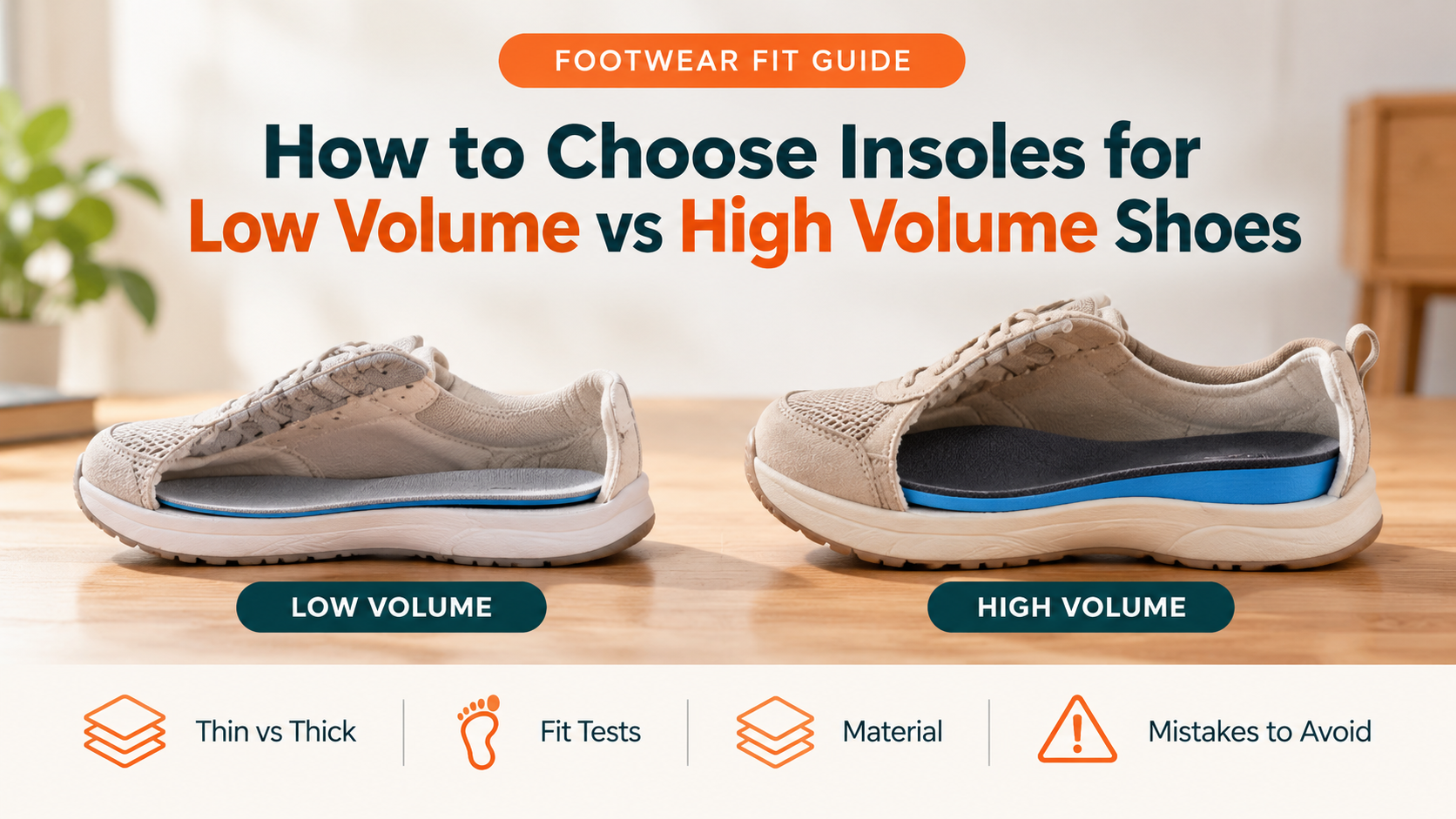
Many hiking shoes come with low-support, flat insoles that compress quickly. Replace them with performance insoles for real support.
Upgrade with Aftermarket Insoles
Top options include:
– Superfeet Hike Support: Rigid carbon fiber cap for heavy loads
– Superfeet Hike Cushion: Flexible support, easy break-in
– Foot Levelers InMotion+™: Dynamic stability for natural motion
– Foot Levelers XP3®: Durable, shock-absorbing orthotics for long distances
Pro Tip: Look for insoles with three-arch support—medial, lateral, and transverse—for full-foot stabilization.
Match Support to Your Foot Type for Optimal Fit

High Arches (Pes Cavus)
- Traits: Rigid foot, poor shock absorption
- Needs: Cushioning and shock absorption
- Best Insoles: Superfeet Hike Cushion, deep heel cup, soft midfoot
Normal Arches
- Traits: Balanced weight distribution
- Needs: Moderate, balanced support
- Best Insoles: Contoured footbeds, moderate orthotics
Low Arches / Flat Feet (Pes Planus)
- Traits: Overpronation, arch collapse under load
- Needs: Firm medial support, motion control
- Best Insoles: Superfeet Hike Support, XP3®, deep heel cup
Testing Tip: Try on hiking shoes in the afternoon with your hiking socks. Walk on an incline and check:
– Is your arch fully supported?
– No gap, no pressure point?
– Heel locked in place?
Real Hiker Feedback: Proof That Support Works
Hikers consistently report dramatic improvements:
– “Hiked 19 hours straight—no blisters, no foot pain.” — Judy P.
– “My feet were the only part of me not aching after 8 hours.” — Beth B.
– “Firm arch support… built like a ton of bricks.” — Joseph M.
These aren’t outliers. They reflect the real-world impact of proper arch support: more miles, less pain, greater enjoyment.
Warning Signs Your Footwear Lacks Proper Support
- Arches feel “dropped” mid-hike
- Frequent knee or back pain after hikes
- Insoles compress visibly within weeks
- Immediate relief when switching to orthotics
Red Flag: If you need to “break in” your hiking boots to feel comfortable, they likely lack proper arch support from the start.
Protect Your Long-Term Health
Prevents Permanent Arch Collapse
Chronic lack of support can lead to acquired flatfoot, where the arch flattens permanently. This changes your gait for life and increases injury risk.
Reduces Joint Degeneration
Misaligned feet increase wear on knees and hips, accelerating osteoarthritis. Proper arch support maintains alignment, protecting your joints.
Avoids Chronic Pain Syndromes
Persistent misalignment can lead to sciatica, lower back pain, or tendonopathies. Investing in arch support now prevents long-term suffering.
Think long-term: Your feet carry you through life. Support them like they matter—because they do.
Maintain Support for Lasting Performance
- Replace insoles every 500–800 miles
- Clean and dry footwear after each hike
- Rotate between pairs to extend lifespan
- Inspect for creasing, compression, or separation
Even the best materials degrade—proactive care ensures consistent support.
Final Note: Arch support isn’t optional—it’s essential for safe, comfortable, and sustainable hiking. It reduces fatigue, prevents injuries, and keeps your body aligned on challenging terrain. Whether through built-in boot design or high-performance insoles, prioritize support that matches your foot type and hiking demands. Your next hike—and your long-term health—depends on it.