


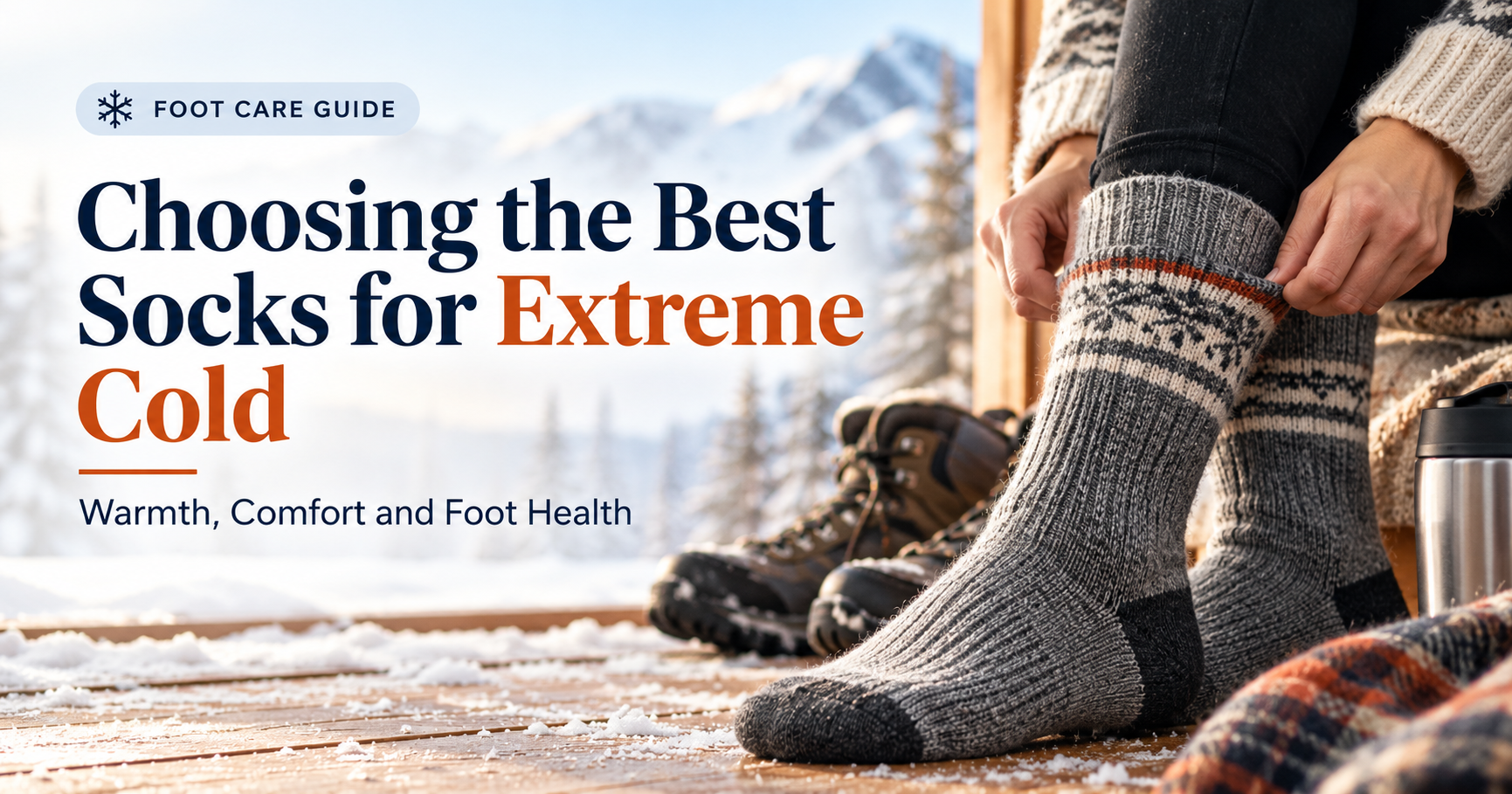
Guide to Choosing Socks for Extreme Cold and Foot Health
Ask anyone who has spent a winter on a frozen lake, a ski lift, a construction site or a mountain trail, and they will tell you the same thing: when your feet get cold, everything gets harder. Cold feet drain morale, slow you down and, in the worst cases, lead to serious injuries like frostbite and trench foot. The good news is that the right pair of socks, worn the right way, solves most of the problem.
This guide explains how socks actually keep your feet warm, which materials work (and which ones to avoid), how to choose thickness and fit, how to layer, and how to look after your feet so they stay healthy all winter. Whether you hike, ski, hunt, work outdoors or simply live somewhere brutally cold, you will find a clear path to better warmth here.
Why Your Feet Get Cold So Fast
Feet are at the far end of your circulation. When your body senses cold, it narrows blood vessels in your hands and feet to protect your core. Add to that the fact that feet have a high concentration of sweat glands, and you have a perfect recipe for cold, damp skin. Moisture conducts heat away from the body far faster than dry air does, which is why a sweaty sock can feel colder than a thin dry one.
Three things decide how warm your feet stay:
- Insulation: trapped air inside the sock fibers and between layers.
- Moisture control: how well the sock moves sweat away from your skin.
- Circulation: whether your socks and boots leave room for blood to flow freely.
A great cold-weather sock handles the first two. Smart fit and layering protect the third.
Best Sock Materials for Extreme Cold
Merino Wool: The Gold Standard
Merino wool fibers are fine, soft and crimped, which creates thousands of tiny air pockets for insulation. Wool can absorb a significant amount of moisture vapor before it feels wet, and it keeps insulating even when slightly damp. It also resists odor naturally, which matters when you wear the same socks on a multi-day trip. For most people in most cold conditions, a merino-rich blend is the best all-round choice.
Synthetic Fibers: Durable and Fast Drying
Polyester, nylon, polypropylene and similar fibers do not absorb water, so they dry quickly and are very durable. They are often blended with merino to add strength and stretch. Pure synthetic socks make excellent liner socks and are a good budget option, but they can hold odor and usually feel less warm on their own than quality wool.
Alpaca and Other Specialty Wools
Alpaca fiber is hollow, which makes it very warm for its weight and silky soft. It is a good option for people with sensitive skin, though it is less durable than merino unless it is blended with nylon. Yak and cashmere blends exist too, but they are usually more of a luxury choice.
Silk: Great as a Liner, Weak on Its Own
Silk is thin, smooth and wicks well, so it works nicely as a liner under a thicker sock. On its own it lacks the insulation and durability needed for serious cold.
Cotton: Avoid It
Cotton absorbs moisture and holds it against your skin. Once wet, it loses nearly all of its insulating value and dries slowly. In freezing weather this is a real safety risk, so leave cotton socks for the gym and warm days.
Sock Thickness and Cushioning Explained
Manufacturers usually describe thickness in categories such as ultralight, lightweight, midweight and heavyweight. There is no universal standard, so compare products by description and by how they feel in your boots.
- Lightweight: thin, best for liners or mild cold.
- Midweight: the most versatile option, good for winter hiking and everyday cold.
- Heavyweight: thick, plush and very warm, ideal for low activity in deep cold, such as ice fishing, hunting stands or snow shoveling.
Cushioning also matters. Extra padding under the heel, ball and toes absorbs impact and adds a layer of insulation between your foot and a freezing sole. But more is not always better. If a thick sock fills your boot completely, it will squeeze your foot and reduce blood flow, which makes your feet colder, not warmer.
How to Layer Your Socks the Right Way
Layering gives you more control than a single thick sock. A thin liner moves moisture away from your skin and reduces friction, while an outer sock provides most of the insulation. Many winter athletes also find that a liner lowers blister risk.
What About Vapor Barrier Socks?
Vapor barrier (VB) socks are waterproof, non-breathable layers worn over a thin liner. They stop sweat from soaking your insulating socks and boots, which can be valuable on multi-day expeditions or in extreme cold with low activity. The trade-off is that your foot will feel damp against the barrier, so they are best for specific situations and should be used with attention to skin condition. For everyday winter use, breathable layers are usually the better choice.
Fit: The Most Overlooked Factor
A perfect sock in the wrong size is a bad sock. Check these points before you buy:
- No bunching: a sock that is too large wrinkles and causes blisters and pressure spots.
- No tight bands: the cuff and arch band should hold the sock in place without leaving deep marks.
- Toe room: you should be able to wiggle your toes freely inside your boots with socks on.
- Heel pocket: a shaped heel keeps the sock from sliding down inside the boot.
- Height: choose calf-high or over-the-calf for boots, to prevent snow and cold air from reaching your skin and to avoid the cuff rubbing against the boot top.
Always try new socks with the boots you will actually wear. If you need to buy larger boots to fit thick socks, do so, because a roomy boot with warm air around the foot is warmer than a tight one.
Foot Health in Extreme Cold
Good socks protect your feet, but healthy skin and good habits finish the job.
Know the Warning Signs
- Frostnip: numbness, tingling and pale or red skin. It is the early warning stage. Warm the area gently and get out of the cold.
- Frostbite: hard, waxy, white or grayish-yellow skin with loss of feeling. This is a medical emergency, and you should seek professional care.
- Trench (immersion) foot: caused by prolonged exposure to cold, wet conditions even above freezing, leading to swelling, numbness and skin damage.
- Chilblains: painful, itchy red or purple patches that appear after repeated exposure to cold.
Daily Habits That Help
- Start with clean, dry feet and fresh socks every day.
- Carry a spare pair and swap them out as soon as your socks feel damp.
- Trim your toenails so they do not press against the boot or sock.
- Moisturize your feet at night, but keep creams away from your toes before heading out to avoid dampness.
- Dry your boots and liners overnight, away from direct high heat that can damage materials.
- Stay hydrated and eat enough, because your body needs fuel to produce warmth.
- Keep moving when safe to do so. Wiggling toes and flexing ankles helps circulation.
Special Situations
Skiing and Snowboarding
Choose thin to midweight, snug socks, designed for ski boots. Thick socks can create pressure points and reduce warmth in tight boots. Avoid wearing two pairs of socks inside a snug ski boot.
Winter Hiking and Mountaineering
Pick cushioned midweight to heavyweight merino blends, bring spares and consider liners to reduce blisters. Stop and change socks when they become damp from sweat.
Work Boots and Outdoor Jobs
Look for reinforced heels and toes, strong nylon content and cushioned soles. Steel-toe boots conduct cold, so a thicker toe box in your socks can help. Make sure your boots still have room for circulation.
Ice Fishing, Hunting and Low-Activity Cold
When you are standing still, your body produces less heat. Choose heavyweight socks, insulated boots with a roomy fit, and consider chemical toe warmers or heated socks as extras.
Heated Socks
Battery-powered heated socks can be useful for people with poor circulation or long periods of inactivity in the cold. Check the battery life, heat settings and whether the socks can be washed, and still wear them with proper boots and insulation.
Buying Checklist
- Merino-rich blend with nylon for durability and elastane for fit.
- Thickness matched to your boots and activity level.
- Flat toe seams or seamless toe construction to reduce rubbing.
- Cushioning in high-impact zones (heel, ball, toes).
- Arch support band and a secure cuff that does not squeeze.
- Correct height for your boots and conditions.
- Clear care instructions and a reputable brand with a good return or warranty policy.
- Realistic reviews from people who use socks in similar cold conditions.
How to Care for Cold-Weather Socks
- Wash inside out in cool or warm water on a gentle cycle.
- Skip fabric softener, which coats wool fibers and reduces wicking.
- Avoid bleach and high-heat drying. Air dry or use a low-heat setting.
- Rotate pairs so that each one has time to dry and recover its loft.
- Replace socks once the cushioning flattens or you see thin spots, as worn socks insulate poorly.
Frequently Asked Questions
Are two pairs of socks warmer than one?
Not always. Two thin layers can be warmer if your boots have enough space. If they make your boots tight, they will reduce circulation and make your feet colder.
Is merino wool better than synthetic for extreme cold?
For most people, yes. Merino insulates well even when slightly damp and resists odor. Synthetics are more durable and dry faster, so blends often give the best result.
Why do my feet still get cold in thick socks?
Common reasons include tight boots, damp socks, poor circulation, low activity or not enough insulation under your foot. Check fit and moisture first.
How often should I change socks in winter?
Change them daily, and swap to a dry pair any time they feel damp. Carry a spare pair when you are out for long periods.
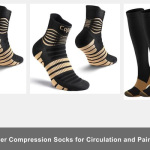
Are compression socks good in the cold?
Light graduated compression can support circulation for some people, but it should never feel tight. Ask your doctor if you have circulation problems.
Can I wear cotton socks as a liner?
It is best not to. Cotton holds moisture. Use thin merino, silk or synthetic liners instead.
Final Thoughts
Warm, healthy feet in extreme cold come down to a few simple decisions: choose merino-rich or well-made synthetic socks, avoid cotton, match thickness to your boots and activity, keep your feet dry, and never sacrifice circulation for extra padding. Add smart layering, a spare pair and good daily foot care, and you can stay comfortable and safe even when the temperature drops far below freezing.
Take a little time to test your sock system before you need it. Your feet will thank you when winter arrives.
Disclosure: This site may earn a commission from qualifying purchases at no extra cost to you. Information in this article is for general guidance only and is not a substitute for professional medical advice.